Introduction
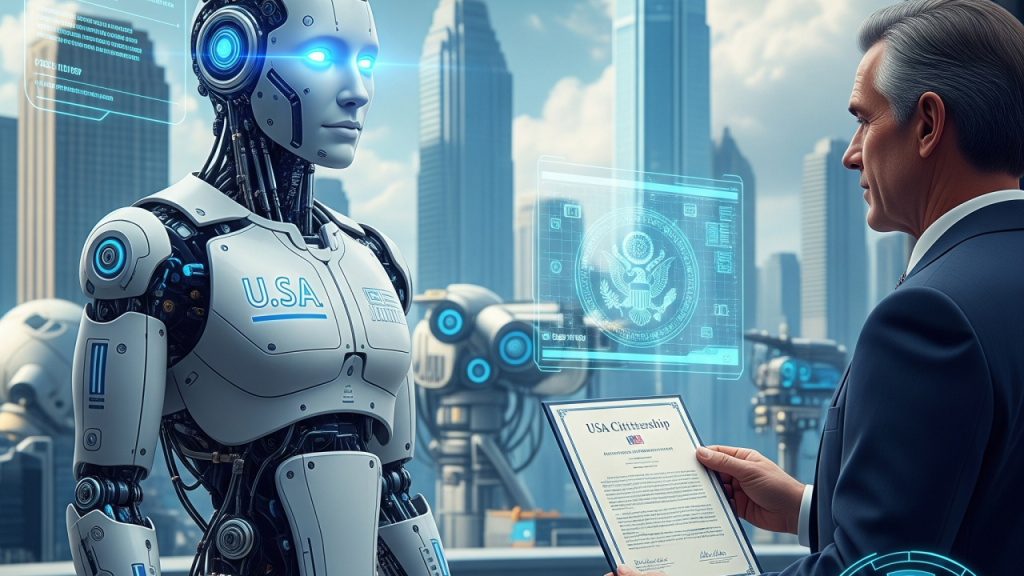
Artificial intelligence is revolutionizing global diplomacy by equipping governments, organizations, and influential figures with tools to analyze trends, predict crises, and communicate across borders efficiently. No longer confined to labs or corporate settings, AI now plays a vital role in anticipating geopolitical risks, modeling economic outcomes, and supporting decision-making on the international stage.
Digital platforms enhanced with AI provide real-time insights, allowing policymakers to respond proactively to emerging challenges. Celebrities also leverage these technologies to amplify advocacy campaigns, influence public opinion, and promote global initiatives, bridging the gap between public engagement and international policymaking.
AI as a Strategic Diplomatic Tool
AI empowers governments to monitor complex datasets, track global trends, and simulate the outcomes of policy choices. Predictive analytics enable diplomats to anticipate crises, identify negotiation opportunities, and optimize the allocation of resources. From analyzing trade patterns to forecasting political instability, AI ensures that strategic decisions are grounded in data rather than intuition alone.
AI-powered systems also provide insights into international public sentiment. By monitoring social media and applying machine learning, governments can detect emerging issues, tailor communications, and engage effectively with citizens worldwide. This integration of AI into diplomacy represents a major shift in how influence, negotiation, and global collaboration are managed in the modern era.
Celebrity Advocacy and Digital Diplomacy
Celebrities are increasingly acting as informal ambassadors, using their public platforms to highlight international issues and shape public opinion. AI analytics allows them to measure engagement, refine messaging, and maximize the impact of advocacy campaigns.
High-profile figures often draw attention to global challenges such as climate change, humanitarian crises, and human rights violations. Their influence can mobilize public support, drive media coverage, and even prompt government action. When combined with AI insights, celebrity campaigns achieve rapid information dissemination and measurable global impact, demonstrating the power of fame and technology in shaping international discourse.
AI and Crisis Management
AI plays a pivotal role in predicting and responding to global emergencies. Algorithms can monitor conflicts, forecast natural disasters, and identify economic vulnerabilities. Governments rely on these tools to allocate resources efficiently, coordinate international responses, and ensure timely interventions.
Real-time analytics also enhance communication between countries and agencies during crises. By providing accurate data and scenario-based forecasts, AI reduces reaction times, improves coordination, and supports data-driven decision-making, reinforcing its importance in maintaining international stability.
Ethical Considerations in Digital Diplomacy
Despite its benefits, AI introduces ethical challenges. Algorithmic bias, misinformation, and privacy concerns can undermine trust and influence public perception. Governments and organizations must implement transparent frameworks and ensure accountability to maintain credibility in AI-driven diplomacy.
Celebrities engaged in digital diplomacy campaigns also bear ethical responsibilities. They must provide accurate information, avoid manipulative messaging, and promote informed engagement to preserve public trust and ensure campaigns contribute constructively to global discourse.
FAQs
How is AI transforming diplomacy?
AI processes large datasets, predicts trends, and provides actionable insights, enabling governments to anticipate crises and optimize strategies.
Can celebrities impact international policy?
Yes, celebrities use digital platforms to raise awareness, mobilize audiences, and amplify advocacy campaigns that can influence governmental decisions.
What ethical risks are associated with AI?
Risks include misinformation, algorithmic bias, privacy violations, and disproportionate influence on public perception.
How does AI improve crisis management?
AI monitors conflicts, forecasts disasters, and enables real-time coordination, allowing for faster and more effective responses.
What ensures responsible use of AI in diplomacy?
Transparency, ethical frameworks, accountability, and accurate reporting maintain credibility and trust in digital diplomacy initiatives.
Conclusion
Artificial intelligence is reshaping global diplomacy by providing predictive insights, real-time analytics, and data-driven decision-making. Governments and celebrities alike are using these tools to guide policy, manage crises, and advocate for international initiatives. Technology, influence, and governance are converging to redefine modern diplomacy.
Ethical oversight and responsible AI usage are essential for sustaining trust and credibility. Policymakers, technology platforms, and public figures must collaborate to ensure digital tools promote transparency, informed decision-making, and positive global engagement.
Leave a Reply